
Microsoft's Build developer conference has launched with a series of announcements primarily focused on artificial intelligence, but several updates stand out for their practical utility beyond the AI realm. The company has introduced the Surface RTX Spark Dev Box, a compact developer PC built around Nvidia's new RTX Spark chip with up to 128GB of memory. The device features a distinctive flattened design with an aluminium casing that doubles as a heatsink, and it comes preloaded with Windows 11 Pro configured specifically for developers.
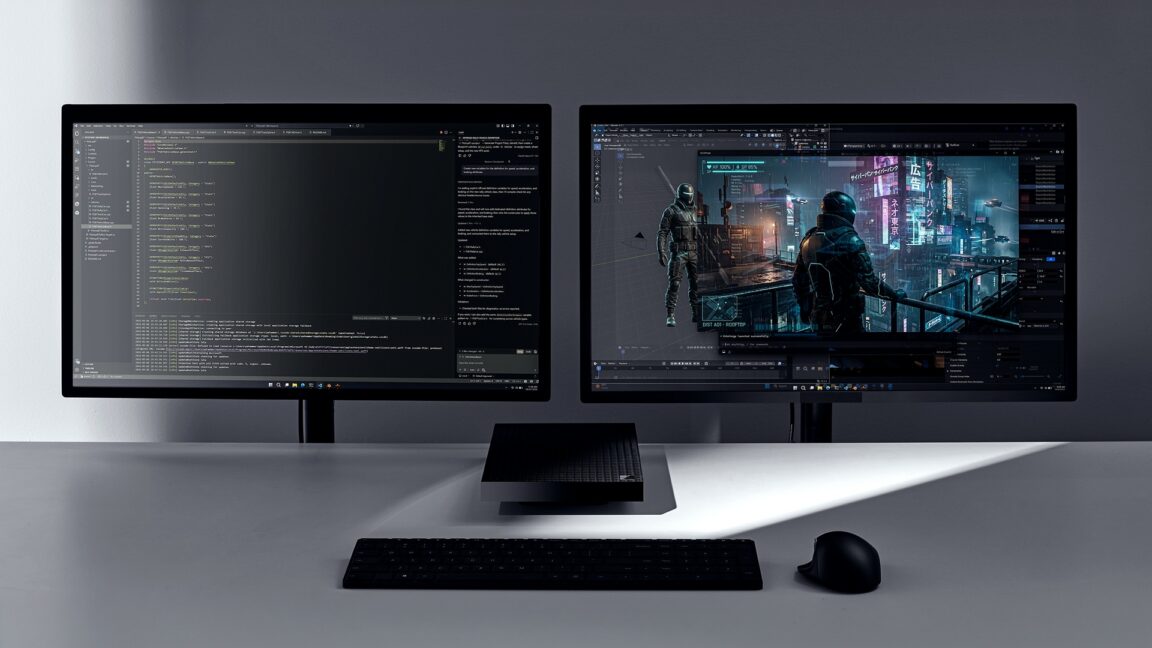
This new hardware serves as a successor to the Windows Dev Kit 2023, previously known as Project Volterra, which was an Arm-based development machine that helped pave the way for Microsoft's current generation of Surface devices. Whilst Microsoft hasn't announced specific pricing or complete specifications for the RTX Spark Dev Box, it's expected to cost significantly more than the £600 price point of its predecessor, though hopefully less than Nvidia's £4,699 DGX Spark box.
On the software front, Microsoft is introducing substantial improvements to the Windows Subsystem for Linux (WSL). The company is developing a Windows-native version of the coreutils command line tools, enabling seamless cross-platform compatibility for commands and scripts between Linux and Windows environments. Additionally, users will soon be able to run WSL inside containers, with this functionality expected to arrive in the coming months. Microsoft is also launching Windows Developer Configurations, which leverages the WinGet tool to rapidly establish a streamlined development environment complete with Visual Studio Code, GitHub Copilot, WSL, PowerShell 7, and developer-optimised settings using a single command.
For those intrigued by AI agents but concerned about security and privacy, Microsoft has introduced Microsoft Execution Containers (MXC). These enterprise-grade sandboxed environments allow AI agents like OpenClaw to operate within strictly enforced boundaries. Administrators can set specific instructions for individual agents, with Windows continuously monitoring and enforcing these restrictions. This could prevent AI agents from accessing personal accounts on work computers or performing unauthorised actions such as deleting files without permission. The GitHub repository for MXC also indicates that these containers support multiple containment backends, making them useful for securing various plugins and tools beyond just AI agents.
Fuente Original: https://arstechnica.com/gadgets/2026/06/microsoft-plans-linux-tools-and-an-rtx-spark-desktop-for-windows-developers/
Artículos relacionados de LaRebelión:
- Microsoft Amenaza a Investigador de Ciberseguridad
- Microsoft Threatens Legal Action Against Security Researcher
- IBM and Red Hat Invest 5 Billion in Open Source Security
- Linus Torvalds Reveals AIs Impact on Linux
- Microsoft Abre Codigo Protege tus Agentes IA con RAMPART
Artículo generado mediante LaRebelionBOT

No hay comentarios:
Publicar un comentario