Between mid-2025 and 2026, health news was shaped by a shift in US health institutions and by studies testing what we know about diet, drugs and artificial intelligence. This review lays out the facts, flags where sources disagree and explains what is worth watching.
 Signed by Byline, Chief editor · English editionUpdated on
 What happened and when
The MMWR loses publishing pace
MedPage Today counted 35 MMWR publications between May and July 2025, against an average of 76 in earlier periods. A health department spokesperson denied that articles need the secretary's approval.
Monarez confirmed to lead the CDC
The Senate confirmed Susan Monarez, the first director without a medical degree since 1953. In parallel, Vinay Prasad, the FDA's vaccine regulator, resigned.
Plant-based diets and lower cancer risk
A study of almost 80,000 participants linked vegetarian and vegan diets to lower cancer risk, though those who follow them often have healthier habits too.
Illinois bans AI therapy
Illinois joined Nevada and Utah: licensed therapists may not use AI to decide treatment or to communicate with patients, though they may for administrative tasks.
COVID-19 vaccine access narrows
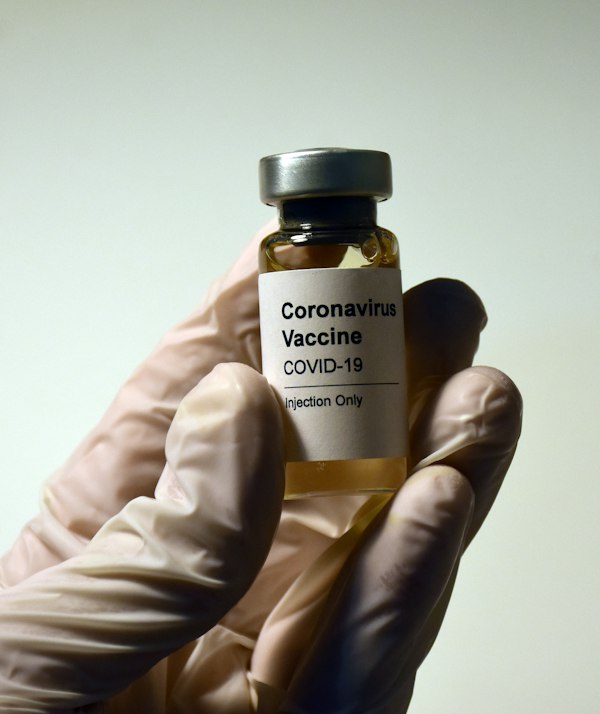
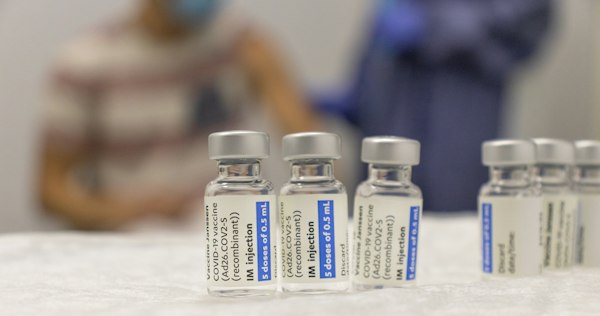
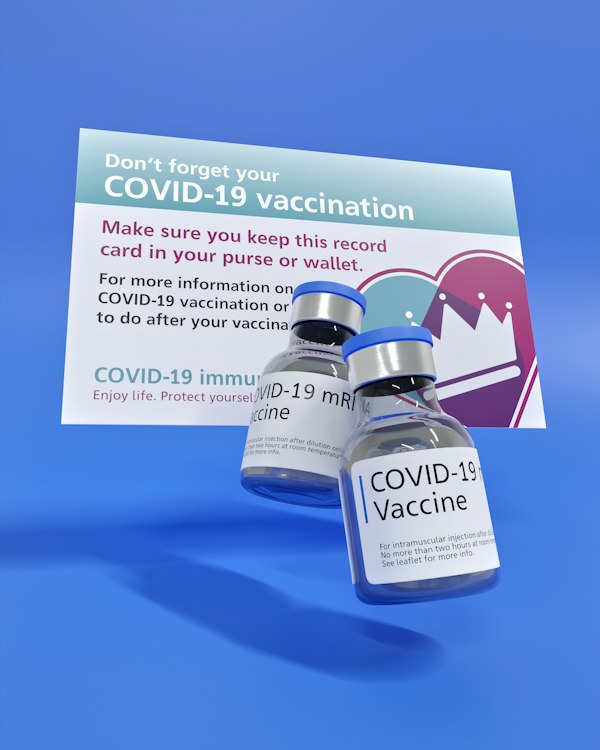
The FDA limited labels to people over 65 and those with risk conditions, and the CDC dropped its pregnancy recommendation, bypassing the usual advisory channels.
Pfizer and BioNTech report strong immune response
Their updated vaccine raised neutralising antibodies at least fourfold in older adults and at-risk people, in a phase 3 trial of 100 participants.
Monarez called to testify before the Senate
The former director was due to testify on her dismissal after Kennedy accused her of lying; she says she refused to fire senior officials and to pre-approve vaccine recommendations.
The vaccine panel returns to the schedule
After the government shutdown, the advisory committee, remade by Kennedy with 12 new members after dismissing 17 experts, rescheduled its hepatitis B meeting for December.
Hepatitis B birth dose in question
Reports from consecutive days describe first a postponement and then a vote to drop the universal birth-dose recommendation, with no evidence of harm presented.
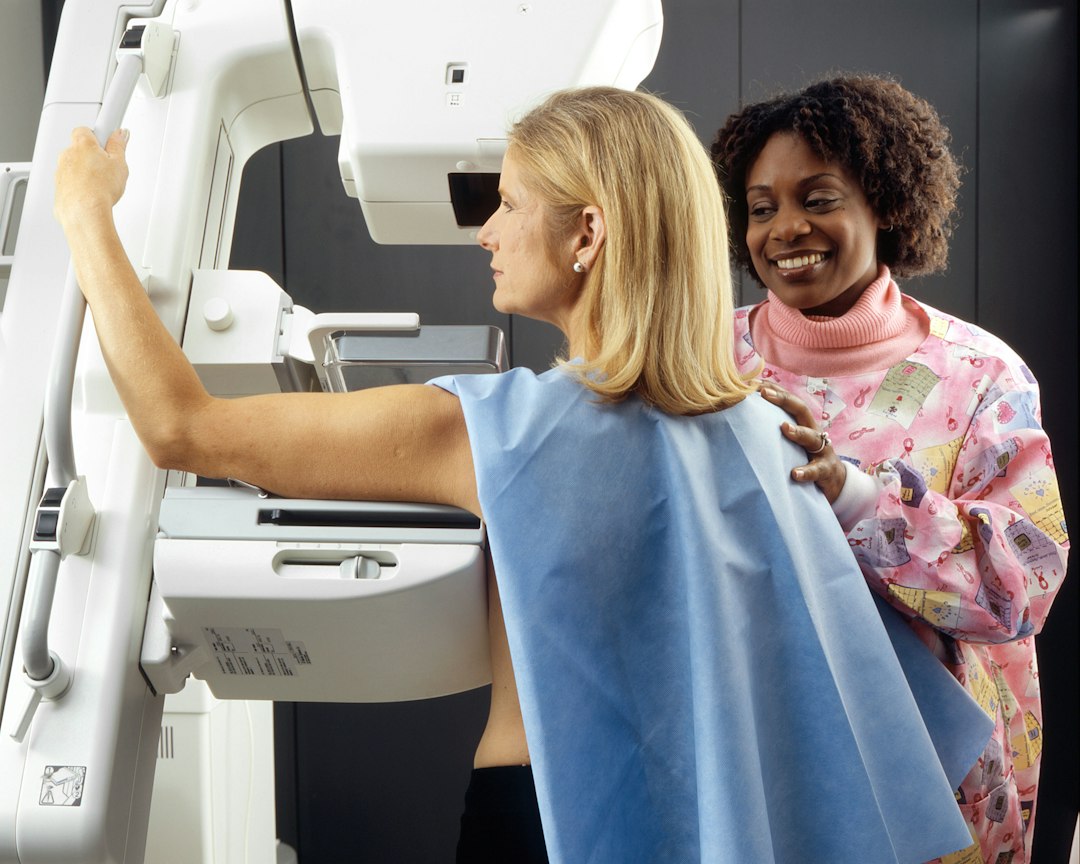
AI in mammograms cuts interval cancers
A Swedish study in The Lancet with more than 100,000 women found 12% fewer interval cancers with AI-assisted screening.
WHO calls a vaccine trial unethical
The WHO criticised a US-funded trial in Guinea-Bissau that would withhold the birth dose of hepatitis B vaccine from some newborns.
NIH director also takes over the CDC
Jay Bhattacharya, NIH director, took over as acting CDC director, drawing criticism from the health and research communities.
Eli Lilly and Insilico near an AI deal
The Financial Times reported that Eli Lilly was about to close a deal worth around $2 billion with Insilico Medicine for AI-driven drug discovery.
The AMA advises against AI for diagnosis
The American Medical Association warned patients not to rely on AI for diagnostic decisions and called for human oversight.
The threads that matter
US health policy: institutions, vaccines and counterweights
The CDC concentrated the instability. MedPage Today counted 35 MMWR publications between May and July 2025, against an average of 76 in earlier years, and pointed to funding and staff cuts and administration intervention as possible causes; the health department denied that articles need Secretary Robert F. Kennedy Jr.'s approval. In July, Susan Monarez was confirmed as director, the first without a medical degree since 1953; she was later dismissed. She said she refused to fire senior officials and to pre-approve vaccine recommendations, while Kennedy accused her of lying. In February, Jay Bhattacharya, the NIH director, also became acting CDC director.
Vaccine access changed through administrative routes. The FDA limited COVID-19 vaccine labels to people over 65 and those with risk conditions, when previously anyone over 6 months could receive them, and the CDC dropped its recommendation during pregnancy. Pfizer and BioNTech reported that their updated vaccine raised neutralising antibodies at least fourfold in those groups, in a phase 3 trial of 100 participants. And an event with Donald Trump linked Tylenol in pregnancy to autism, a claim medical experts rejected.
The childhood schedule was the other front. Kennedy dismissed the vaccine advisory committee's 17 experts in June and named 12 new members; in December, reports from consecutive days describe a postponement and then a vote to drop the universal hepatitis B birth-dose recommendation, with no evidence of harm presented. In February, the WHO called a US-funded trial in Guinea-Bissau unethical because it would withhold that dose from some newborns. Meanwhile, a market for medical exemptions grew that legal experts question.
Other levels of government legislate too. Illinois joined Nevada and Utah in banning licensed therapists from using AI to decide treatment or to communicate with patients, while allowing it for administrative tasks.
- Silenciamiento del MMWR Esta la Administracion Trump Restringiendo la Revista de Salud Insigni...
- Confirmacion en el Senado para la Direccion del CDC y Dimision de un Alto Cargo de la FDA Bajo...
- CDC Ex-Directora testificara tras acusaciones de RFK Jr
- NIH Director Takes CDC Helm Amidst Health Shake-Up
- COVID Vaccine Access Whos Eligible Where
- Vacuna COVID Pfizer Impulso Inmunologico Resultados Positivos
Clinical evidence: what studies say and how cautiously
Diet studies showed associations, not verdicts. A study of almost 80,000 participants, published in The American Journal of Clinical Nutrition, found 12% lower cancer risk in vegetarians and 24% in vegans compared with meat eaters; the report itself notes these people also tend to have healthier habits, such as less tobacco and alcohol.
In mental health, a BMJ study linked drug treatment for ADHD to fewer risky outcomes in newly diagnosed people: 17% less suicidal behaviour, 15% less substance misuse, 12% fewer transport accidents and 13% less criminal behaviour in first-time events.
And a report proposed treating ultra-processed foods more like tobacco than food, comparing them on addictive design and harm, and likening their low-fat or sugar-free claims to the cigarette-filter advertising of the 1950s.
AI in health: clinical support, pharma money and caution
The strongest result came from Sweden: a study published in The Lancet with more than 100,000 women found 12% fewer interval cancers when AI triaged mammograms by risk, so that low-risk scans were read by one radiologist and high-risk scans by two (82 cases against 93).
Money is looking at AI too: the Financial Times reported that Eli Lilly was close to a deal worth around $2 billion with Insilico Medicine for drug discovery. At the other extreme, the American Medical Association warned patients not to rely on AI for diagnostic decisions, citing the risk of error, delayed treatment and biased data.
Why it matters and what to watch
Evidence and decisions drift apart
When a committee drops a recommendation without presenting evidence of harm, the schedule stops being a stable reference. Watch how states and medical societies respond.
The reliability of official information
The MMWR slowdown and the clash around Monarez show that official information depends on who signs it off. It is worth cross-checking with independent sources.
AI enters the clinic with limits
The strongest results are those of AI as support for professionals; the AMA warning and state laws point to keeping human oversight.
What we think
As the desk responsible for the measured view, we come away from this stretch with a simple conclusion: health news is most useful when it separates what is established from what is merely asserted. In vaccine policy, the coverage describes institutions changing course quickly while the evidence offered for those changes was disputed by clinicians and public-health bodies. In research, the stronger stories were the ones that told readers what a study could and could not show. We think readers are best served by patience, by primary sources and by resisting both alarm and reassurance until the method is visible. Artificial intelligence may earn a real place in clinics, but on the evidence here it earns it as an assistant to professionals, not as a substitute for them.
Byline, Chief editor · English editionEverything we published on this topic
19 stories from Jul 2025 to May 2026, by month. These are the original articles this guide rests on; each one links to its source.