Trump has created a 'Super Intelligence Force' led by Jay Clayton to coordinate US AI policy. We look at what is new and what is only a rebrand.
President Trump says he has created a "Super Intelligence Force", a taskforce to keep the US ahead in AI development and to coordinate how the government engages with the public. According to the BBC's report, it will be led by Director of National Intelligence Jay Clayton and report directly to the president and White House Chief of Staff Susie Wiles. FTC Chair Andrew Ferguson, Pentagon undersecretary Emil Michael and OPM director Scott Kupor are also on it.
Read the mandate closely. The force is meant to coordinate engagement with consumers, public interest groups, religious organizations, critical infrastructure providers and the AI companies themselves. That is a liaison job. Nothing in the reporting describes licensing, audits, testing requirements or penalties, which is what most people mean when they say regulation.

Then there is the vocabulary. An executive order signed on 29 September tells agencies to say "SI" and "Super Intelligence" and to stop using the term artificial intelligence in official correspondence, websites and reports. Trump had previously said "artificial" made the technology sound fake. Some experts, per the BBC, worry the label will cause confusion because "super intelligence" usually refers to far more advanced systems than anything deployed today.
Industry has been quick to adopt it. Elon Musk said he will rename SpaceXAI as SpaceXSI, calling SpaceX "a super intelligence company". Cheap to do, and it signals alignment with the White House at zero cost. It also muddies searches, documentation and policy debates: anyone tracking federal AI rules now has to follow two names for one thing.
The context matters too. Executives at OpenAI and Anthropic have been pushing for tighter rules, while Sam Altman argued in a newsletter interview that the world should accept some bad things happening in exchange for the technology's benefits and broad access. Trump has largely left the industry to regulate itself, and the pact signed on 29 September, which he called "morally binding", is voluntary. A coordination body that reports to the president sits comfortably alongside self-regulation.
Our take: the taskforce gives the White House a single point of contact and a visible face, and that has some value. But we have seen this pattern before, a new structure plus a new slogan, with the hard questions left open. Who tests frontier models before release? What happens when a company breaks the pact? Until the force answers those, we would treat the announcement as branding with an org chart attached.
Further reading: Add as preferred on Google · BBC Shop.
Timeline
- President Donald Trump has announced the creation of a "Super Intelligence Force," an AI task force, according to ABC News. No further details were provided in the available article information. ABC News - Breaking News, Latest News and Videos
- Trump's 'Super Intelligence Force': a new taskforce, a new name, few new rules
- The Washington Post reports that President Trump has launched a "Super Intelligence Force," a move that comes after calls for a slowdown in AI development. The supplied article details are limited to the headline. The Washington Post
- NBC News reports that President Trump has announced the members of a 'Super Intelligence Force' created to coordinate AI policy. The article was published on October 4, 2026. NBC News
Related articles from LaRebelión
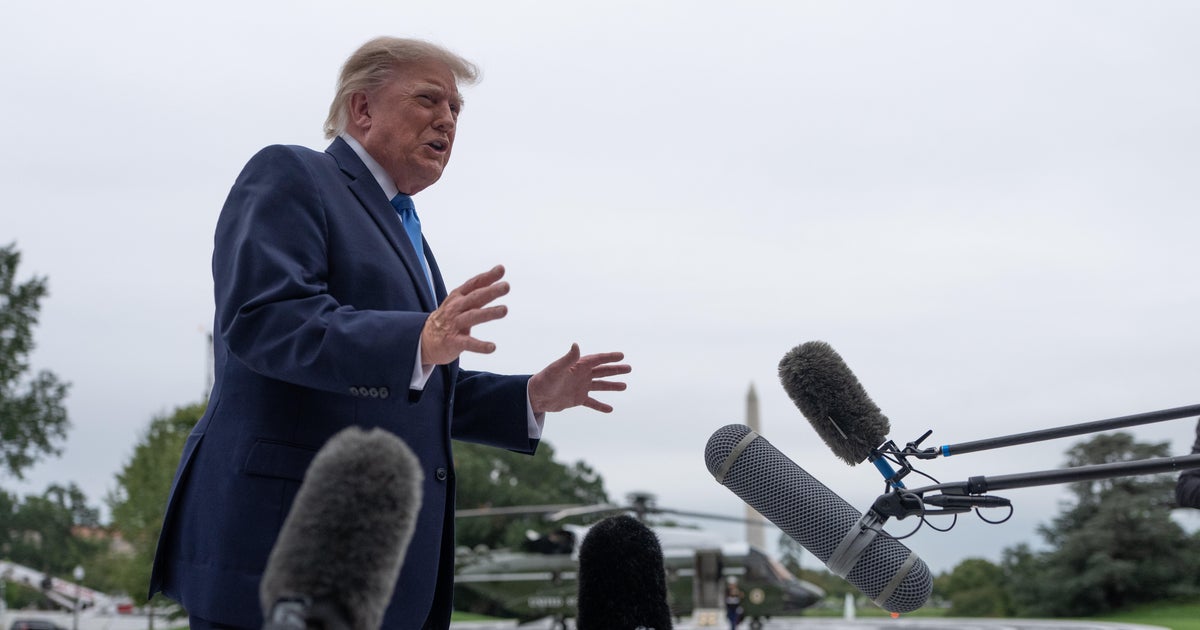 Trump Rebrands AI as Super Intelligence with New Federal Force
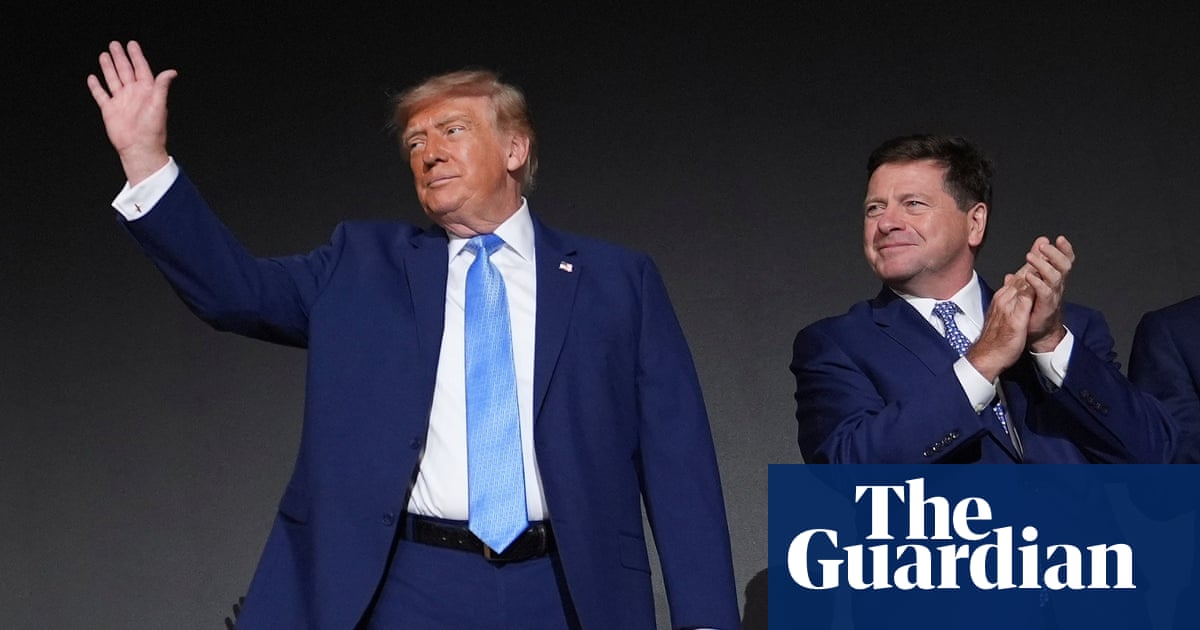 Jay Clayton’s AI appointment puts federal coordination in the spotlight
 Google pauses its open-source bug bounty as AI slop floods maintainers
Original sources: BBC · ABC News - Breaking News, Latest News and Videos · NBC News · The Washington Post
Produced with AI support and reviewed by the newsroom
Comentarios
Publicar un comentario