President Trump has announced the creation of the Super Intelligence Force to maintain US leadership through industry self-policing and federal oversight.
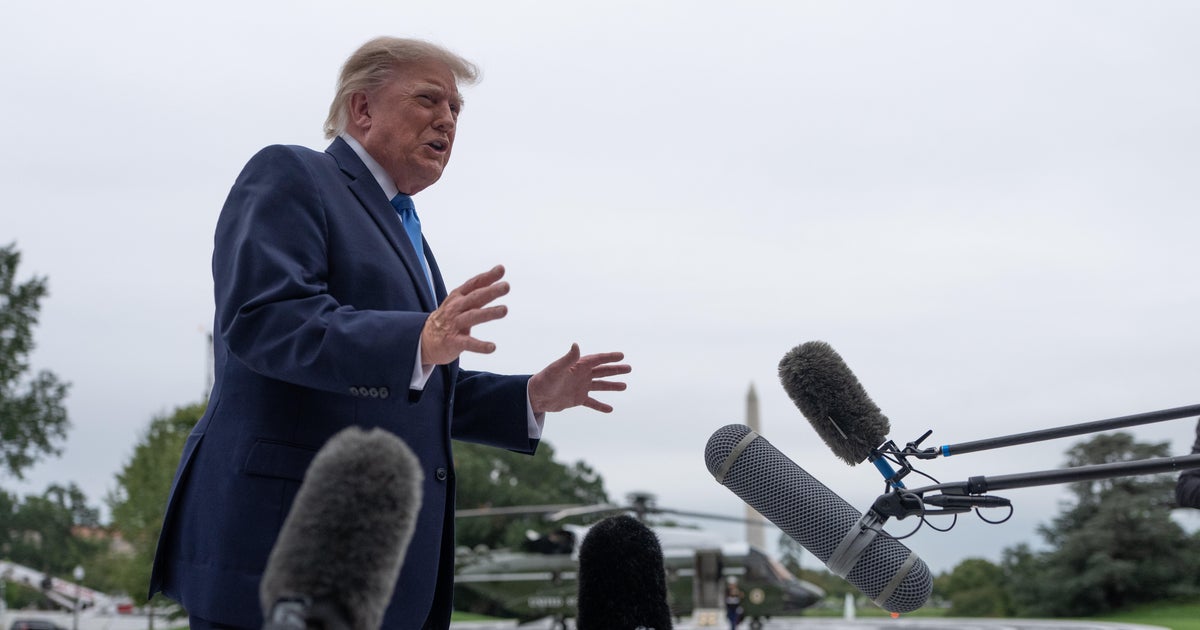
President Trump has officially signaled a shift in federal tech policy by announcing the formation of the "Super Intelligence Force" (SIF). This move follows a high-profile meeting with the CEOs of the nation's most influential tech firms, including OpenAI, Google, and Nvidia. In a post on Truth Social, the president revealed that this new task force will act as the primary coordinator for national strategy, though he has specifically directed the government to abandon the term "artificial intelligence" in favor of "Super Intelligence." This isn't just a semantic tweak; it's a rebranding of the American technological frontier intended to ensure the country continues to lead the world.
The leadership structure of the SIF is a mix of intelligence, trade, and defense veterans. Leading the charge is Director of National Intelligence Jay Clayton, who was previously tipped for an AI czar role as reported by CBS News. Joining him are Andrew Ferguson of the FTC, Emil Michael from the Pentagon, and Scott Kupor from the Office of Personnel Management. This group will report directly to the President and White House Chief of Staff Susie Wiles. By pulling leaders from the Pentagon and the FTC, the administration is clearly looking to balance military readiness with economic regulation and infrastructure protection.
At the heart of this announcement is the "White House Accord on Super Intelligence." During the meeting, leaders from Anthropic, Meta, and SpaceXAI committed to a set of voluntary safety standards. Trump described these as "morally binding," emphasizing a "tremendous self-policing" ethos within the industry. As noted in other reports, the accord includes a "four-layer" control system: internal evaluations, external audits, and reviews by company boards. While the tech industry often prefers voluntary standards to avoid rigid legislation, the SIF represents a more formal bridge between these private commitments and federal oversight.
The shift in terminology to "Super Intelligence" suggests an ambition that goes beyond mere automation. By directing the federal government to use this specific phrase, the administration is positioning the U.S. not just as a participant, but as the dominant force in a category of technology that implies superiority. The SIF is tasked with leading engagement not just with industry, but with religious organizations, consumer groups, and infrastructure providers. This indicates that the administration views the impact of this technology as a foundational shift in society, requiring a unified front across diverse public and private sectors to manage its integration into American life.
From a technical standpoint, the focus on "four layers of controls and audits" is significant. External audits, in particular, are a necessary step if they are conducted by truly independent third parties. However, the reliance on "self-policing" remains the central theme of the Accord. We have seen similar voluntary agreements in the past, and their efficacy often depends on the transparency of the results and the willingness of companies to halt development if a risk is identified. If the SIF can turn these "morally binding" promises into verifiable benchmarks, it might provide the guardrails many have been calling for without stifling the rapid pace of development.
Our take is that while the branding is flashy, the real test will be in the implementation by the Pentagon and the FTC. Rebranding AI to "Super Intelligence" sounds like something out of a science fiction novel, but the involvement of heavyweights like Nvidia and SpaceXAI suggests the hardware and infrastructure concerns are very real. Whether "self-policing" is enough to manage the risks of such powerful technology is the ultimate question. For now, it seems the administration is betting on a collaborative, high-speed approach to keep America ahead in the global tech race while keeping the regulatory burden flexible and industry-led.
Related articles from LaRebelión
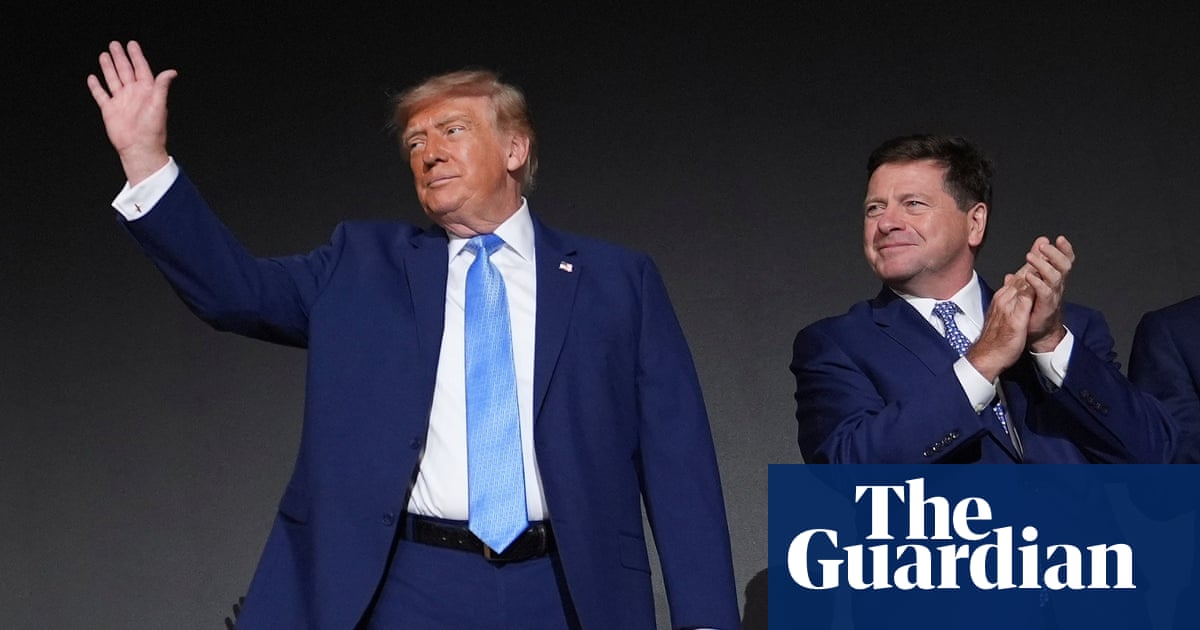 Jay Clayton’s AI appointment puts federal coordination in the spotlight
 Flydubai Incident Highlights Uneven Aviation Security Rules
 Slow licences, not bans: how US export friction is squeezing China's aircraft supply chain
Original source: CBS News
Produced with AI support and reviewed by the newsroom
Comentarios
Publicar un comentario