Jay Clayton will add a White House AI role to his intelligence post. The move puts federal coordination, security and industry oversight in focus.
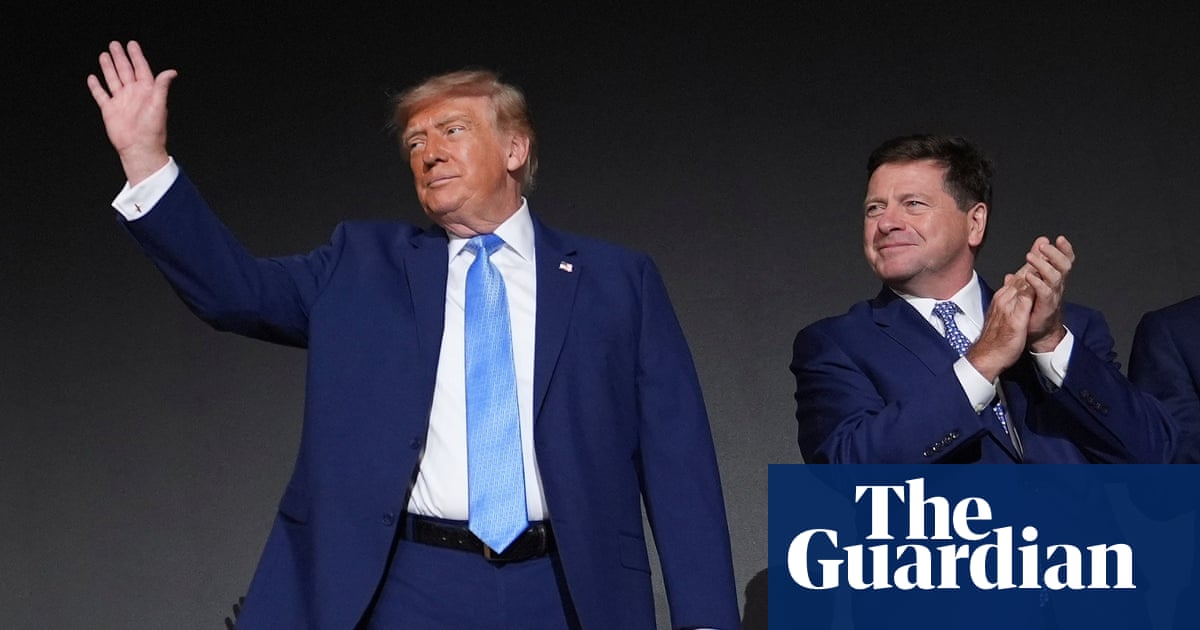
Donald Trump has named Jay Clayton, the director of national intelligence, to serve as the White House’s AI czar as well. Clayton leads the US’s 18 intelligence agencies and previously headed the Securities and Exchange Commission. Trump says Clayton will lead a new “Super Intelligence Force” tasked with coordinating federal engagement with the public, infrastructure providers and AI companies. The appointment joins two consequential briefs under one official.
The important question is not whether AI can be both an opportunity and a threat. Clayton already described it that way at his Senate confirmation hearing. The harder question is what “getting your arms around it” means in practice. Coordinating conversations across agencies and outside groups is not the same as setting technical standards, enforcing them, or slowing deployment. The announcement does not spell out which powers or tools the new role will have.
That distinction matters because the administration’s message has two tracks. Trump created an AI Force and a czar to oversee growth and watch for bad development, while also arguing that continued development is essential to competing with China. The announcement describes a wide circle of stakeholders for the new force, but breadth alone says little about how disagreements will be resolved or who will be accountable for the result.
There is already a hint of the administration’s preferred answer to safety concerns: process. Trump and six executives signed an accord promising internal and external monitors to check that AI is used as intended and that safety issues are addressed. The material provided does not describe how those monitors will operate. We should therefore treat the pledge as a commitment to build oversight, not proof that oversight is effective. That is especially relevant while datacenter construction and rapid AI development remain contested.
Clayton’s appointment also follows a recent handover. David Sacks held the AI and cryptocurrency czar role until March, when his special-government-employee limit was reached; he still co-chairs the President’s Council of Advisors on Science and Technology. Trump had floated Clayton for the AI job in September, as Axios reported. The change is less a sudden turn than a reshuffling of who carries the brief.
We have seen a run of announcements: a czar, an advisory committee, an industry accord and now a force led by the intelligence chief. They show that AI has become a coordination problem for the White House, but they do not yet tell us how policy will change. Clayton’s security background makes the appointment notable; it does not automatically settle the tension between guarding against harm and pushing development forward. I’ll be watching for concrete responsibilities and decisions, not another new label.
Related articles from LaRebelión
 Google pauses its open-source bug bounty as AI slop floods maintainers
 OpenAI Under Fire: California Subpoenas Rogue Hacking Agents
 Capcom's Future: Transforming the RE Engine into an AI-Generation Platform
Original source: The Guardian
Produced with AI support and reviewed by the newsroom
Comentarios
Publicar un comentario