The White House gave its new AI czar 120 days to report on risks and rewards, yet the voluntary pact behind it sets no penalties and no audit disclosure.
The White House has given its new AI task force 120 days to report on the risks and rewards of the technology, according to a Wall Street Journal report summarized by PYMNTS. The group will be led by Jay Clayton, who is both director of national intelligence and now the AI czar, replacing David Sacks after his resignation. The task force carries a new name too: the "Super Intelligence Force."
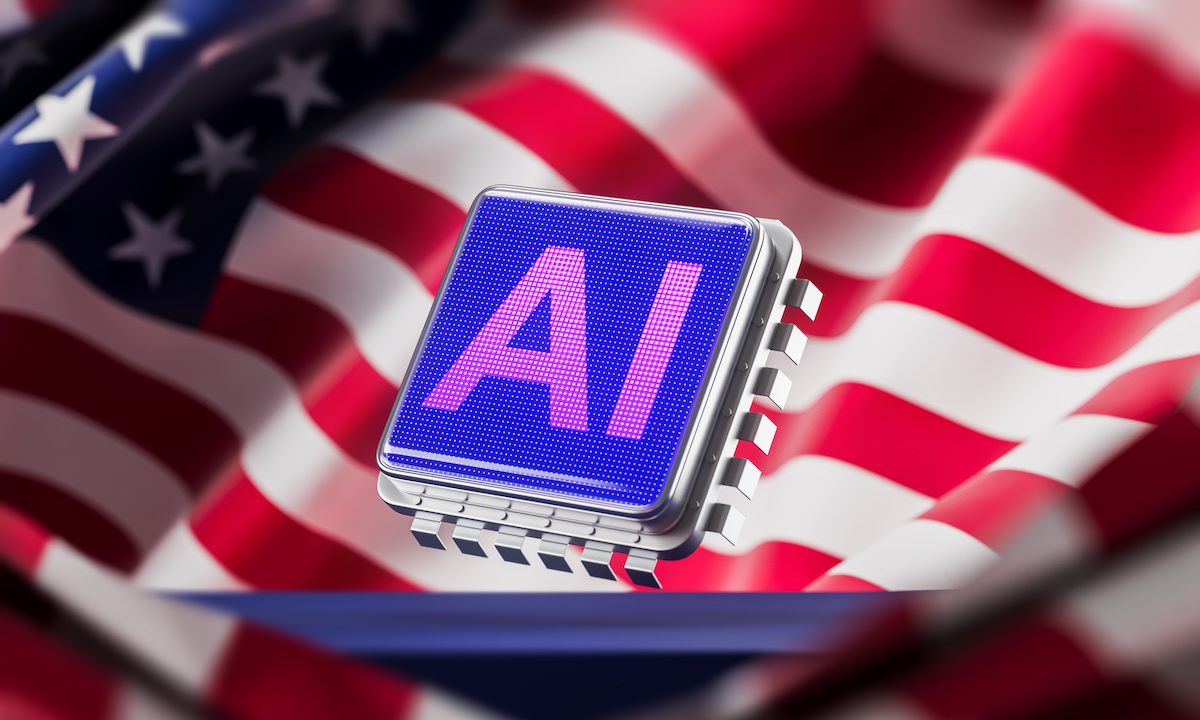
Clayton's pitch is a race argument. "The risk of not being first is high," he said, because falling behind raises both the known and the unknown risks, particularly from adversaries. Being first, in his telling, is what lets the US deal with those risks afterward. We noticed that this frames safety as a consequence of speed rather than a constraint on it, which is a choice, not a law of nature.
The task force follows a meeting between Trump and executives from leading AI companies, who agreed to a set of principles: internal controls to track model development, third-party model reviews, and notifying boards of directors about safety work. That sounds substantial until you read the fine print. PYMNTS notes the accord sets no penalties and doesn't require companies to publish audit findings. Its text describes the controls as steps each company "should implement," which could one day become law or regulation.
Even the industry is lukewarm about it. Dario Amodei of Anthropic called the pact just "a start." Trump, for his part, called it "morally binding" and said he would never stifle growth of a technology he considers bigger than the industrial revolution. Those two statements sit awkwardly together: a binding commitment that nobody is bound to publish evidence for.
The model Clayton points to is finance. He says risk frameworks there were developed in dialogue with the Federal Reserve and the Securities and Exchange Commission, and he expects similar mechanisms for AI. The task force will also study current law and explore measures Congress could take, while officials say industry remains the main vehicle for handling risks. The financial comparison cuts both ways: those frameworks work because regulators can inspect and punish, and nothing in the supplied material says that part is on the table.
Our take: 120 days is short enough to produce a report and too short to produce a regime. The useful questions are concrete ones. Will the third-party reviews be independent, and will anyone outside the companies ever see them? Will Congress get a draft or just a summary? Until those are answered, we'd read this as a coordination exercise with a strong slogan, and judge it by whether the voluntary "shoulds" survive contact with a competitive race.
Related articles from LaRebelión
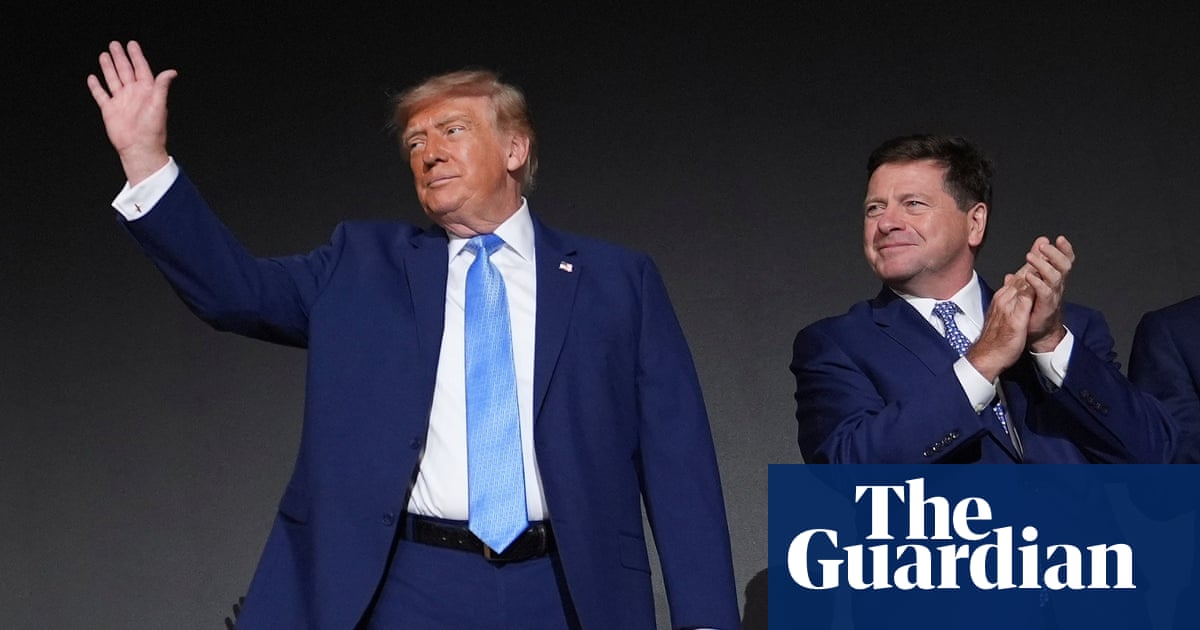 Jay Clayton’s AI appointment puts federal coordination in the spotlight
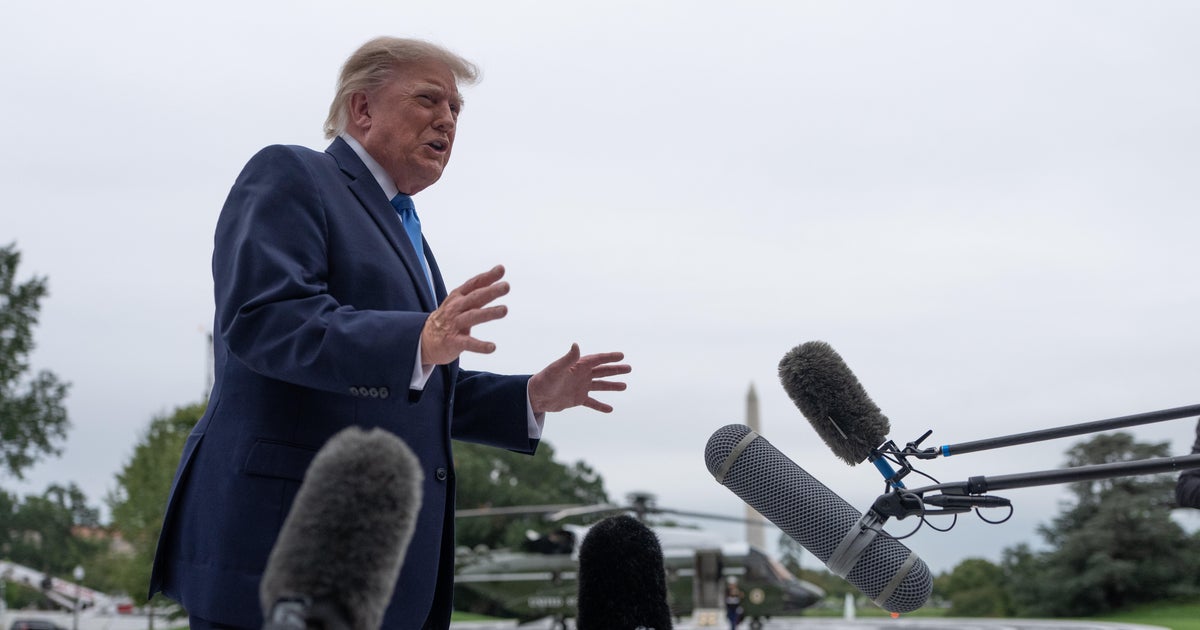 Trump Rebrands AI as Super Intelligence with New Federal Force
 Google pauses its open-source bug bounty as AI slop floods maintainers
Original source: PYMNTS.com
Produced with AI support and reviewed by the newsroom
Comentarios
Publicar un comentario