Price hikes, Netflix's bid for Warner Bros., AI in film and music: what changed in streaming in 2025–2026 and why it matters to viewers and artists.
Streaming stopped feeling endless. Between July 2025 and February 2026 prices rose, account sharing got stricter, Netflix put a bid for Warner Bros. Discovery on the table and artificial intelligence began to strain both film and music.
 Signed by Byline, Chief editor · English editionUpdated on
 What happened and when
Paying to share an account becomes the norm
Netflix and Disney+ charge extra for people outside the household and HBO Max starts restricting it in Spain; Prime Video still tolerates it.
Piracy climbs again
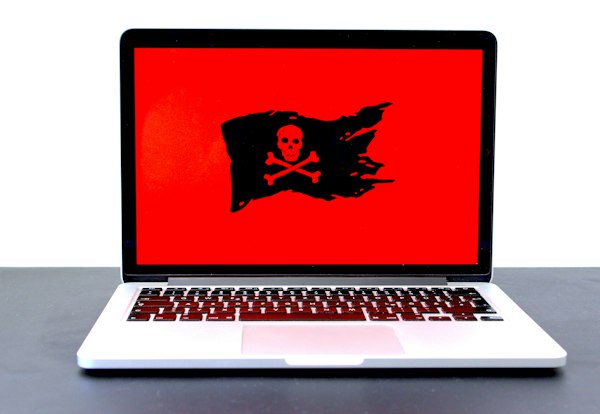
With rising prices and fragmented catalogs, visits to pirate sites go from 130 billion in 2020 to 216 billion in 2024.
A label signs an AI music creator
A Briton signs after reaching three million plays using tools such as Suno and Udio.
Spotify users sell their listening data
A collective gathers more than 18,000 users to offer it to AI developers, and Spotify answers with an infringement letter.
Klay signs with all three majors
The AI music service secures licenses from Universal, Sony and Warner to train its model.
Netflix bids for Warner Bros. Discovery
The deal would include HBO and the studios and be paid at $27.75 per share, in cash and stock.
Netflix buys Ready Player Me
The 3D avatar platform will shut its current services at the end of January 2026.
Cameron doubts big movies are viable
The director admits he does not know whether the business model for blockbusters like Avatar is sustainable in the streaming era.
2026 streaming will look like cable
An analysis expects more price rises, more ad tiers and separate charges for premium features.
Modest titles define the 2025 film year
Critics highlight small productions and streamer-acquired films that eclipsed Hollywood.
Official data confirm the climb
The BLS puts the rise in video and video-game subscriptions and rentals at 29 percent, against 2.7 percent general inflation.
Seedance 2.0 irritates Hollywood
A 15-second AI video passes a million and a half views and the industry accuses ByteDance of infringing rights.
Warner gives Paramount one more week
Netflix allows Warner to talk to Paramount until February 23, while the shareholder vote remains scheduled for March 20.
An analysis questions music streaming
The piece argues music-only services suffer from thin margins and artists should build their own fan base.
The threads that matter
Rising prices and the return of piracy
The period closed the era of cheap, limitless access. Netflix and Disney+ charge 4.99 euros a month in Spain for an extra user with ads and 5.99 without, and HBO Max began restricting shared use. According to the BLS, prices for video and video-game subscriptions and rentals rose 29 percent between December 2024 and December 2025, against general inflation of 2.7 percent.
Forecasts for 2026 point to more increases, more ad-supported plans and premium features billed separately. In parallel, MUSO puts visits to piracy sites at 216 billion in 2024, up from 130 billion in 2020, and attributes the rebound to fragmentation, prices and smaller libraries.
Consolidation and the fight for Warner
The biggest corporate move was Netflix's bid for Warner Bros. Discovery, which would give it HBO, the Burbank studios and franchises such as Harry Potter. The accounts differ on the number: one speaks of $82.7 billion and another of a $72 billion offer, which later became all cash.
Warner then weighed a counteroffer from Paramount, at $31 per share for the whole company, and Netflix let it talk to Paramount until February 23 while keeping a right to match. Netflix also bought Ready Player Me, a bet on avatars that would help its games division, and the series Stranger Things served as a symbol of how the algorithm shapes content creation.
Film facing streaming and AI
Traditional film was pulled between two pressures. James Cameron admitted doubts about whether large productions will remain economically viable, and a critics' selection for 2025 noted that modest films and ones bought by platforms eclipsed Hollywood, partly because of superhero fatigue.
AI added another strain. A 15-second video of Tom Cruise and Brad Pitt generated with ByteDance's Seedance 2.0 passed a million and a half views and drew criticism from the Motion Picture Association and SAG-AFTRA. The MPA demanded that ByteDance stop the activity immediately and the actors' union denounced the misuse of its members' voices and likenesses.
Music, data and models under review
Music lived its own version of the problem. A British creator signed with a label after three million plays using AI tools, and Deezer estimates that 18 percent of the songs it receives each day are AI-generated. Klay became the first AI service with deals with all three major labels.
Users also demanded control. More than 18,000 people joined a collective to sell their listening data to AI developers, and Spotify replied with a letter alleging trademark infringement. A later analysis argued that music streaming is unsustainable for those who live on it alone, because Apple, Amazon or Google can tolerate low margins by using music to sell other products.
Why it matters and what to watch
Price is no longer a selling point
With increases above inflation, the decision to cancel or move to ad plans will be the real brake; watch whether piracy keeps rising.
Fewer players, more power
If Netflix or Paramount ends up with Warner, catalogs and theatrical releases will depend on an even larger company; watch shareholder deadlines and regulators' reaction.
AI forces deals with creators
Klay's agreements with the three majors and the MPA's complaints against ByteDance show that the use of protected works will be a bargaining condition.
Artists look for their own routes
If music streaming squeezes margins, interest in a direct relationship with the audience will grow; whether it is enough remains to be seen.
What we think
We keep one conclusion that is uncomfortable for viewers: streaming promised simplicity and delivered a new version of cable, with bundles, ads and fees for sharing. What deserves caution are the figures circulating about the big deals, because the accounts themselves do not agree and it is wise to wait for signed documents. In film and music, artificial intelligence seems to move faster than the rules meant to order it, and the label agreements show that someone will have to pay for whatever is trained. We do not think audiences will abandon the platforms, but we do think they will become more selective and less loyal.
Byline, Chief editor · English editionEverything we published on this topic
15 stories from Jul 2025 to Feb 2026, by month. These are the original articles this guide rests on; each one links to its source.