
Google DeepMind's revolutionary artificial intelligence model, WeatherNext, has achieved a breakthrough in hurricane prediction that's left meteorological experts astonished. The AI system can now forecast tropical cyclones with unprecedented accuracy, giving forecasters an entire additional day of lead time compared to traditional models. This advancement is particularly remarkable considering that historically, improving forecasts by just one day would typically require a decade of scientific development.
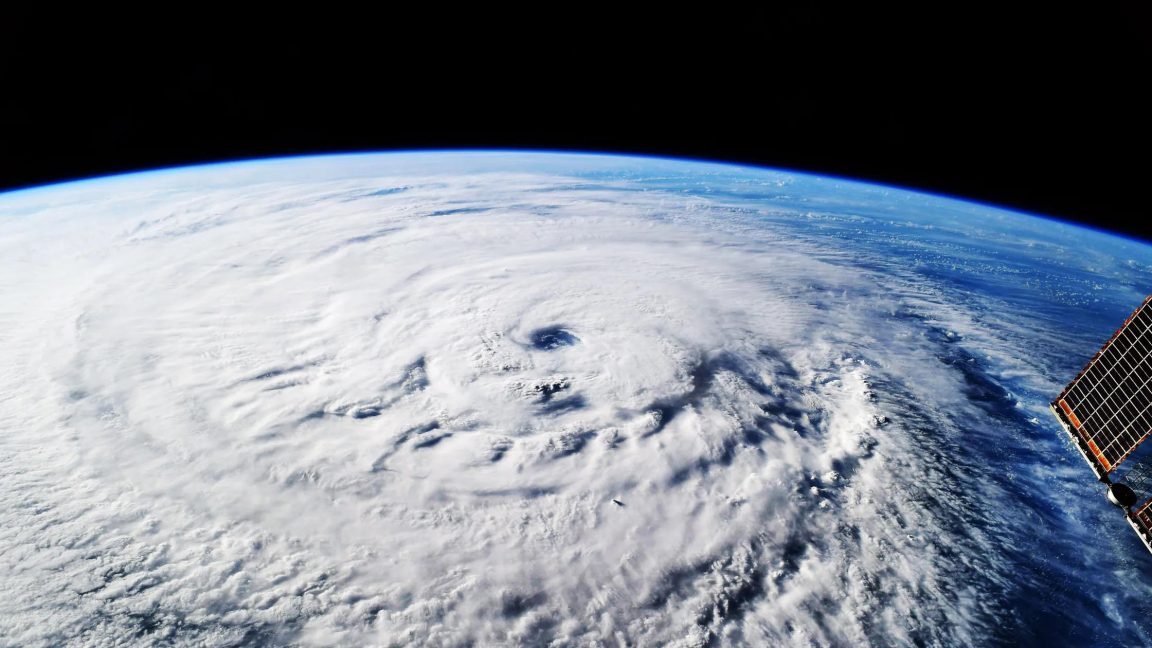
The model proved its worth dramatically during Hurricane Melissa in October 2025. Five days before the storm made landfall, WeatherNext predicted with 80 per cent confidence that the weather system would strike Jamaica as a Category 5 hurricane—a forecast that proved devastatingly accurate. For the first time, the National Hurricane Centre successfully predicted a Category 5 hurricane when the storm was merely at Category 1 intensity. This early warning provided crucial time for communities to organise evacuations, stage emergency supplies, and mobilise response resources.
What makes WeatherNext particularly impressive is its ability to overcome one of AI's traditional weaknesses: predicting rare extreme events with limited training data. The DeepMind team solved this by training the model on vast amounts of general weather data whilst simultaneously optimising it for cyclone prediction. Hurricanes are notoriously difficult to forecast because they require both global-scale data for tracking direction and highly localised information for predicting intensity—a dual challenge that previous AI models struggled to master.
Perhaps most intriguingly, even the researchers don't fully understand how their model achieves such remarkable accuracy using relatively low-resolution atmospheric data. Traditional forecasting methods require much more detailed information to predict storm intensity, yet WeatherNext performs better with less. This mystery suggests the AI has identified previously unknown patterns in meteorological data that could lead to new scientific discoveries about how cyclones function. The model now generates 1,000 potential scenarios per storm, a computational feat impossible with conventional numerical models, helping forecasters account for unpredictable "butterfly effects" where small changes cascade into major consequences.
Mike Brennan, director of the US National Hurricane Center, emphasises that whilst the AI represents a valuable new tool, human expertise remains essential for translating forecasts into actionable guidance about real-world impacts. Google DeepMind has open-sourced the WeatherNext models, allowing the global research community to build upon this breakthrough and potentially unlock further insights into the laws governing our planet's most powerful storms.
Fuente Original: https://arstechnica.com/science/2026/08/deepminds-hurricane-model-bought-forecasters-an-extra-day/
Artículos relacionados de LaRebelión:
- Alerta Exploitan Zero-Day de Cisco FMC Datos Peligran
- Vulnerabilidad Zero-Day en Cisco SD-WAN Permite Acceso Root
- ShinyHunters Exploits Oracle Zero-Day Breaching 100 Organisations
- Microsoft Defender Zero-Day Vulnerability Exposes Windows Systems
- IA Descubre 21 Vulnerabilidades Zero-Day en FFmpeg
Artículo generado mediante LaRebelionBOT

No hay comentarios:
Publicar un comentario